
Oro Valley: Tucson's Master-Planned Town in the Shadow of Pusch Ridge
Oro Valley is the polished, planned alternative to Tucson proper — an incorporated town of about 47,000 people north of the city, built around golf communities, newer subdivisions, and the sheer rock face of Pusch Ridge. Homes cluster around a median of roughly $555,000 to $580,000, schools and safety rank among the best in the metro, and almost everything feels newer, wider, and more orderly than the city it borders.
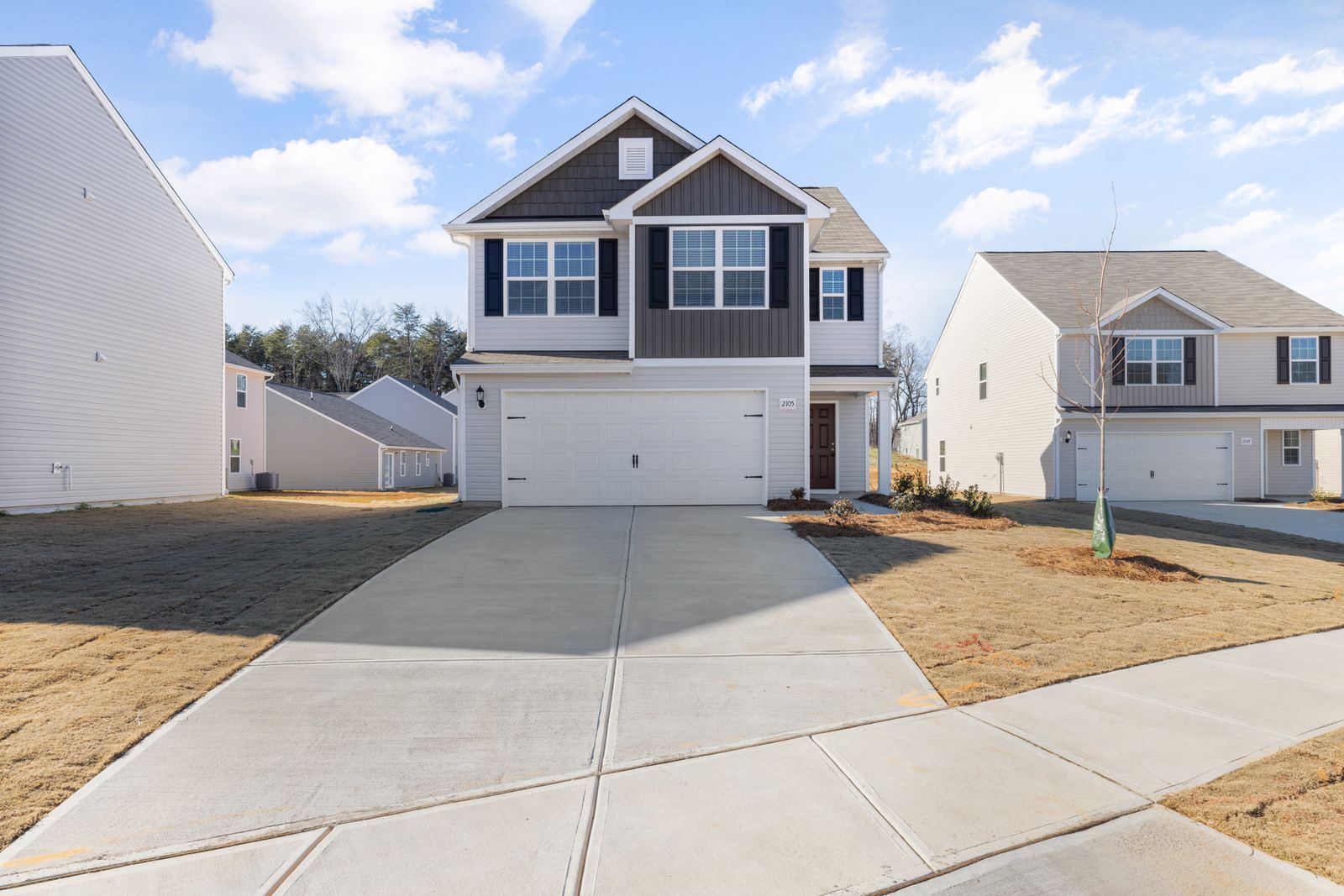
Character and setting
Oro Valley was incorporated in 1974 and grew deliberately: wide arterial roads (Oracle Road / State Route 77 is the spine, with La Cañada Drive and Rancho Vistoso Boulevard serving the west side), desert landscaping requirements, sign controls, and master-planned communities instead of piecemeal sprawl. The Santa Catalina Mountains form the town's eastern wall — Pusch Ridge dominates the view — while the Tortolita Mountains sit to the northwest. It sits immediately north of Casas Adobes and northwest of the Catalina Foothills, together forming our Premium North territory. The feel is suburban and quiet rather than resort-secluded: community parks, bike paths along the Cañada del Oro wash, and shopping centers that handle daily life without a trip into Tucson.
Housing stock and typical prices
Most stock dates from the 1980s through the 2010s: single-story ranch and territorial homes in Rancho Vistoso, golf-course homes around El Conquistador and the Oro Valley Country Club area, luxury custom builds in Stone Canyon, and the 55+ homes of Sun City Oro Valley. Townhomes and smaller patio homes start in the $300,000s to low $400,000s, the broad middle trades roughly $475,000 to $750,000, and golf or mountain-view estates run $1 million and up. That puts Oro Valley well above the greater Tucson median of about $370,000 (September 2026, MLS of Southern Arizona) but below comparable Foothills estates — you pay for newer systems, HOA-maintained common areas, and the town's services. Check the monthly market report for current metro numbers before you set a budget, and compare the town head-to-head in our best suburbs of Tucson guide.
Communities to know
Rancho Vistoso is the town's large northern master plan — a mix of subdivisions, parks, and the Vistoso Trails Nature Preserve (the former golf course, now a community nature preserve with paved paths). Sun City Oro Valley is the long-established 55+ community with its own golf, recreation centers, and clubs. Stone Canyon is the gated luxury enclave at the Tortolita foothills. Canada Hills, Shadow Mountain, and the El Conquistador area in the south are the older, closer-in Oro Valley — shorter commutes into Tucson, more mature landscaping. There is no single downtown; Oro Valley Marketplace (Oracle and Tangerine) and the Steam Pump Village area anchor retail, dining, and the Oro Valley Hospital corridor.
Jobs, Innovation Park, and everyday economy
Oro Valley is not just a bedroom community. Innovation Park in the north is a biotech cluster anchored by Roche Tissue Diagnostics (formerly Ventana Medical Systems), with other life-science and tech employers nearby — one reason relocating professionals can live and work on the same side of town. Oro Valley Hospital serves the northwest metro, and Raytheon, the University of Arizona, and Banner Health are the wider region's big employers within commuting reach; see our jobs and employers guide for the full picture. Day-to-day, Oracle Road carries the grocery, hardware, and restaurant rows most residents use.
Outdoors: Catalina State Park at the door
Catalina State Park sits on Oro Valley's eastern edge — nearly 5,500 acres of desert, canyons, and trails (Romero Canyon, Sutherland Trail, and the popular Romero Pools route) against Pusch Ridge, with camping and equestrian access. The Chuck Huckelberry Loop's shared-use path runs through town along the Cañada del Oro, linking riders toward Tucson and Marana. Golf is a way of life: El Conquistador, the Golf Club at Vistoso area courses, and Sun City's course keep tee times local. Browse our Tucson hiking guide and golf guide for how Oro Valley fits the wider outdoor map.
Schools and commute
Most of Oro Valley is served by Amphitheater Public Schools — including Ironwood Ridge High School and Canyon del Oro High School, both well regarded, plus Painted Sky, Wilson K-8, and other neighborhood schools; charter options such as BASIS Oro Valley are also popular. Verify any specific address, as edges of town can fall in other assignments — our schools guide explains how Arizona open enrollment works. Commutes are car-based: downtown Tucson and the University of Arizona run about 30 to 40 minutes via Oracle Road or La Cañada/Ina, the Foothills about 15 to 25 minutes, and Tucson International Airport roughly 45 minutes. Oracle Road traffic at rush hour is the town's most common complaint — test your actual commute at your actual hour before you buy.
Honest trade-offs
HOAs are the norm, with fees and architectural rules that keep the look uniform — a plus or a friction depending on your temperament. Dining and nightlife are thinner than central Tucson's; residents drive south for the city's restaurant depth (worth it — Tucson is a UNESCO City of Gastronomy). Summer services fill up, Pusch Ridge views come with wildland-edge awareness in dry seasons, and newer subdivisions at the town's northern edge add distance to everything in Tucson proper. Snowbird and second-home ownership is large here, especially in golf and 55+ communities, so seasonal rhythm matters — read our snowbird guide, the 55+ communities guide, and the home-watch explainer if you will leave a home through summer.
Who it suits
Professionals and families who want newer homes, strong public schools, and low crime without a custom-estate budget; biotech and healthcare workers who can work on the north side; retirees and snowbirds who want golf and an active 55+ scene; and movers who prefer planned and orderly over historic and eclectic. If you want walkable nightlife, adobe character, or acreage with no HOA, central Tucson or Tanque Verde will fit better.
Quick facts
Location: incorporated town directly north of Tucson, along Oracle Road (SR 77), in Pima County. Population: about 47,000. Typical prices: median roughly $555K–$580K; townhomes from the $300Ks, estates $1M+. School district: Amphitheater Public Schools for most addresses — verify by parcel. Best for: newer master-planned living, golf, Catalina State Park access, Innovation Park jobs, safety. Watch for: HOA fees and rules, Oracle Road rush hour, distance to downtown and the airport.