
Catalina Foothills: Tucson's Mountain-View Luxury District
The Catalina Foothills is Tucson's signature luxury address — custom and estate homes climbing the southern slopes of the Santa Catalina Mountains, with city-light views at night, saguaro forest at the door, and the metro's top resorts, galleries, and schools woven through it. Most homes trade between about $700,000 and $1.8 million, with view estates well above $2 million.
Character and setting
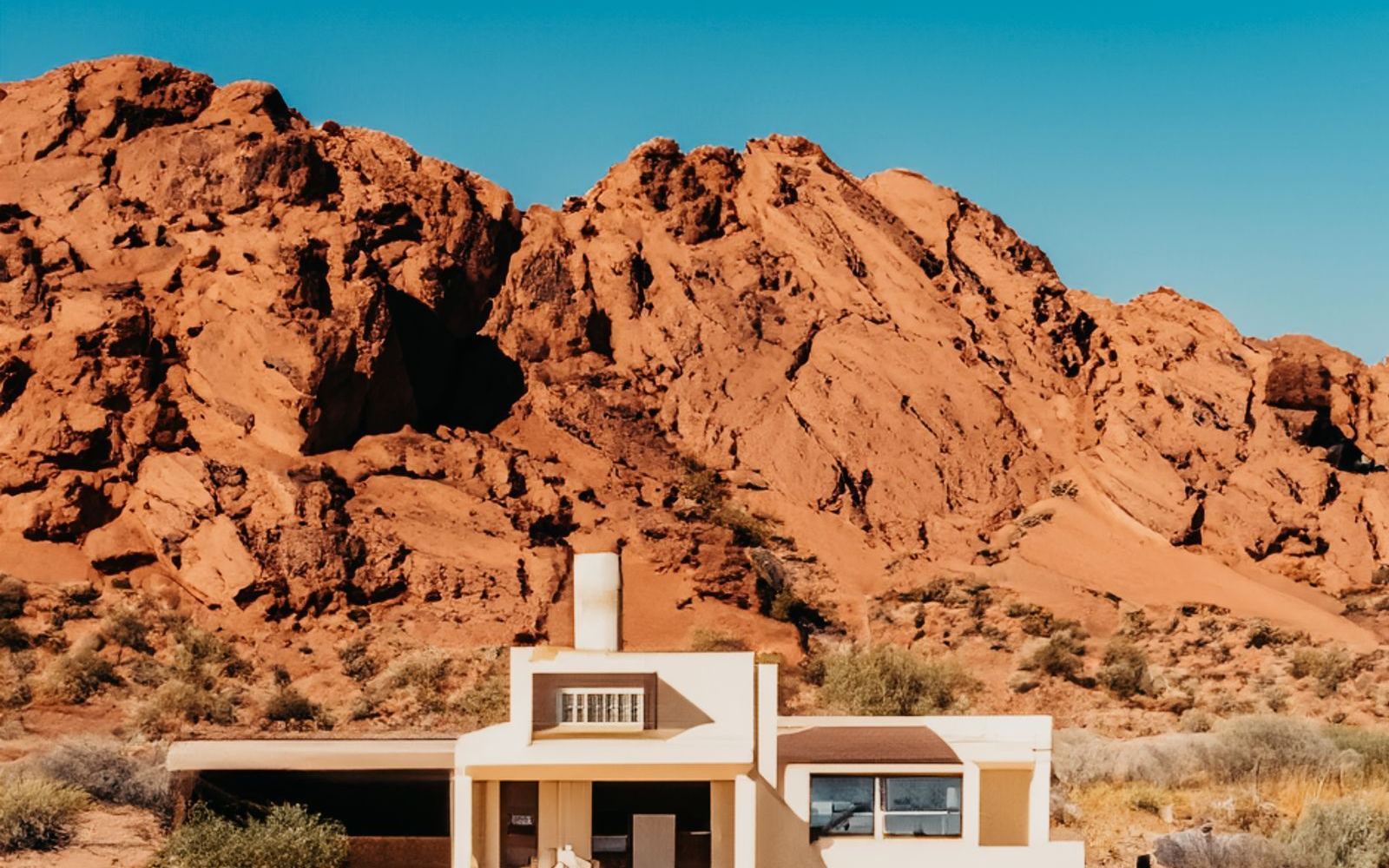
The Foothills is not a subdivision — it is a landscape that happens to have houses in it. Development follows the ridges and washes north of River Road, roughly between Campbell Avenue and Sabino Canyon, in unincorporated Pima County just outside Tucson city limits. Lots are typically a half-acre to several acres, native desert landscaping is the norm (and often required by deed restrictions), and many streets have no sidewalks or streetlights by design. The result is a place that feels remote at night and is fifteen minutes from midtown in the morning. It is the heart of our Premium North territory, alongside Oro Valley.
Housing stock and typical prices
The stock runs from 1970s and 1980s territorial and ranch homes — the area's renovation opportunities, sometimes in the $600,000s — through Pueblo Revival and contemporary custom builds of 3,000 to 6,000+ square feet, many with pools, casitas, and walls of glass aimed at the city or the mountains. Joesler and Murphey-era adobes from the 1930s appear occasionally and command a heritage premium. Recent metro-wide context helps: the September 2026 median sale price for greater Tucson was about $370,000 (MLS of Southern Arizona), so Foothills buyers should expect to pay roughly two to five times the metro median for land, views, and school access. See the monthly market report for the current numbers before you shop.
Resorts, dining, and everyday life
Daily life is anchored by La Encantada (upscale shopping and dining at Campbell and Skyline), the Gallery Golf-adjacent corridor is farther north, and resort amenities at Loews Ventana Canyon, Westin La Paloma, and Hacienda del Sol — all with public restaurants, spas, and golf or tennis memberships that many residents join in place of a country club. The De Grazia Gallery in the Sun, Sabino Canyon Recreation Area, and the trailheads up Finger Rock and Pima Canyon are the outdoor living room. For the wider menu, browse things to do in Tucson and our best restaurants guide — the Foothills' stretch of Skyline Drive and Campbell Avenue is one of the city's strongest dining rows.
Schools and commute
Much of the Foothills feeds Catalina Foothills School District 16 — Manzanita Elementary, Orange Grove Middle School, and Catalina Foothills High School — one of Arizona's highest-rated districts and a primary reason families pay the premium; details are in our schools guide. Eastern pockets fall in Tucson Unified, so verify the exact address. Commutes are drive-only: the University of Arizona and downtown run 20–30 minutes via Campbell or Swan, Banner–University Medical Center about 20 minutes, and the airport 35–45 minutes. There is no freeway — residents trade highway access for the mountains, knowingly.
Honest trade-offs
Water and fire are the two serious ones. The Foothills is a wildland-urban interface: brush clearance, defensible space, and evacuation awareness during dry, windy periods are part of ownership, and insurance pricing reflects it. Many older homes are on septic systems and some on wells — verify utilities parcel by parcel, as with our Tanque Verde guide. HOAs vary from strict architectural-review communities to no HOA at all on older lots. Summer heat radiates off rock slopes, pools are near-mandatory, and wildlife — javelina, coyotes, bobcats, snakes — is daily life, not a rare sighting. None of this deters Foothills buyers; it defines them.
Who it suits — and the snowbird factor
Executives, physicians, UA faculty and administrators, and relocating families who want top public schools without a master-planned subdivision; design lovers who want a real custom home; and second-home buyers who want resort amenities with a lock-and-leave option nearby. The Foothills has one of Tucson's largest seasonal populations — winter residents swell the restaurants and trailheads from January to March, which second-home owners should read alongside our snowbird guide and home-watch explainer for the summer months away. If you want new construction on a flat lot with a two-car garage and a five-minute Target run, the Foothills will frustrate you. If you want to watch the city lights come on from your pool deck, nothing else in Tucson competes.
Quick facts
Boundaries: north of River Road, between the Campbell corridor and Sabino Canyon, climbing the Santa Catalina foothills in unincorporated Pima County. Era: 1930s adobes through new custom estates, mostly 1970s–2000s builds. Typical prices: ~$700K–$1.8M, estates $2M+. School district: Catalina Foothills Unified (District 16) for most addresses — verify by parcel. Best for: views, schools, custom homes, resort living. Watch for: wildfire interface, septic/wells on older parcels, no freeway access, seasonal winter crowds.