
Casas Adobes: The Established Northwest Middle Ground
Casas Adobes is the northwest side's original suburb — mature, green, and unincorporated — sitting between central Tucson and Oro Valley along the Oracle Road corridor. It delivers much of the northwest lifestyle at a clear discount to Oro Valley, with most homes selling between about $325,000 and $500,000.
Character and history
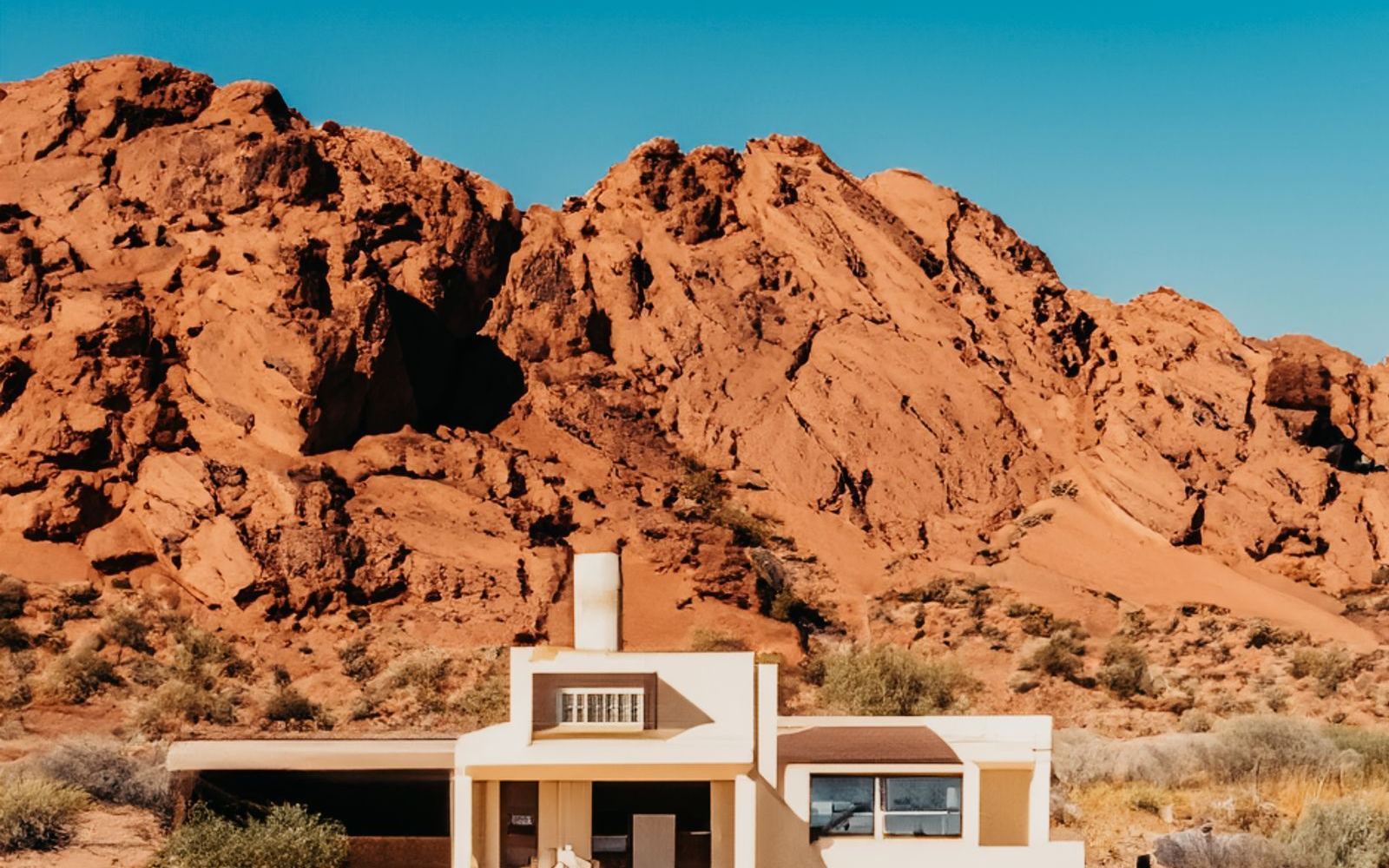
Named for the adobe brick houses built here in the 1920s–30s, Casas Adobes grew in earnest after World War II into a patchwork of ranch-home neighborhoods, townhome enclaves, and low-density custom pockets under big old trees — the irrigation-era landscaping gives parts of it a lushness newcomers don't expect from Tucson. It has no city hall and no single center; instead, life organizes around the Casas Adobes Plaza at Oracle and Ina (one of Tucson's oldest shopping centers), Tohono Chul botanical park, and the retail gravity of Tucson Mall and the Oracle corridor. As an unincorporated community it belongs to our Northwest territory, but its feel — older, leafier, less master-planned — is distinct from Marana's new subdivisions further out.
Housing stock and typical prices
The dominant product is the 1960s–1980s ranch home: 3–4 bedrooms, 1,600–2,400 square feet, on generous lots by Tucson standards, often with a pool. Townhomes and patio homes cluster near the plazas, and a handful of custom pockets near Tohono Chul and along the washes reach into the $700,000s. Recent median list prices run around $365,000 — roughly $200,000 below Oro Valley's median — and price per square foot is among the best value-for-location ratios in the metro. Many homes are mechanically original, so the smart money budgets for roofs, HVAC, and the occasional cast-iron plumbing update; the lot and the location are what you're really buying.
Who it suits
Buyers who want northwest schools, shopping, and Catalina views without Oro Valley prices or HOA weight; downsizers who like single-story ranch living; and commuters who need both downtown and the northwest job corridors within reach. Services are a patchwork by design: fire protection comes from fire districts (Northwest Fire covers much of the area), roads and zoning from Pima County, and there's no municipal trash service — residents contract private haulers, a detail covered in our utilities setup guide.
Schools and commute
Most of Casas Adobes is in the Amphitheater (Amphi) district — schools like Harelson Elementary and Wilson K–8 draw strong reviews — with northern fringes in Marana Unified and western edges in Flowing Wells. Our schools guide covers the boundaries. Commuting is Casas Adobes' structural advantage: downtown is about 20–25 minutes via Oracle or I-10, the UA roughly 20 minutes, Oro Valley employers 10 minutes north, and the Foothills retail corridor 10 minutes east on Ina. No freeway runs through it, so travel times are consistent rather than fast.
Honest trade-offs
Unincorporated means variation: street lighting, road quality, and property upkeep differ block to block, and some pockets have a scruffier edge than the master-planned northwest. Oracle Road itself is a busy commercial strip, and homes backing to it carry the noise. There is no single "downtown Casas Adobes" to stroll. None of that stops the area's steady demand — pound for pound, it is one of the metro's most rational buys. If you want the polished, newer version of the northwest, compare Oro Valley and Marana in our suburbs roundup, then check current numbers in the market report.
Tohono Chul and the plaza pattern
If Casas Adobes has a front porch, it's Tohono Chul — a 49-acre botanical park built around a 1920s adobe house, with gardens, galleries, and a well-loved bistro, hidden in the middle of the neighborhood off Paseo del Norte. Residents use it the way other suburbs use a town square: morning walks, visiting-grandparent duty, and the spring plant sale. The commercial pattern otherwise follows the plazas — Casas Adobes Plaza's local shops and restaurants, the Oracle/Ina corner's everyday retail, and Tucson Mall ten minutes south. This is also some of the metro's most convenient everyday geography for cyclists, with the Loop path system reachable via the Rillito and Cañada del Oro washes.
The unincorporated fine print
Because Casas Adobes is unincorporated Pima County, a few systems work differently than inside Tucson or Oro Valley, and movers should learn them once rather than discover them. There is no municipal property tax layer (a small saving versus in-city addresses — see our property tax explainer), but also no city trash service or city water in most pockets: water may come from Tucson Water or Metro Water depending on the street, trash is a private hauler you choose, and fire protection is by district. Roads and drainage are county responsibilities, which is part of why streetscapes vary. Many longtime residents consider the lighter regulation the area's charm — fewer permits, fewer rules, more individual character. Buyers who prefer everything handled by one town hall should weight Oro Valley accordingly; buyers who like a little looseness with their location usually end up happy here.
Quick facts
Boundaries: unincorporated northwest, roughly River Road to Tangerine Road along the Oracle and La Cañada corridors. Era: 1960s–80s ranch homes, townhomes, and custom pockets. Typical prices: ~$325K–$500K, with custom enclaves higher. School districts: mainly Amphitheater, with Marana and Flowing Wells fringes. Best for: value-per-location buyers, downsizers, commuters splitting downtown and northwest job centers. Watch for: mechanically original homes, patchwork services, block-by-block variation. The simplest summary our specialists give relocators: Casas Adobes is where you buy the northwest's geography at a midtown price, and spend the savings making a 1975 ranch house your own.