
Barrio Viejo: Tucson's Adobe Time Capsule
Barrio Viejo — the "old neighborhood" — is the largest surviving pocket of Sonoran adobe row houses in the United States: flat-roofed, thick-walled homes in sunset colors, fronting narrow streets just south of downtown. Living here is equal parts real estate purchase and act of preservation, and prices reflect it, typically running from about $450,000 to $700,000 and up.
Character and history
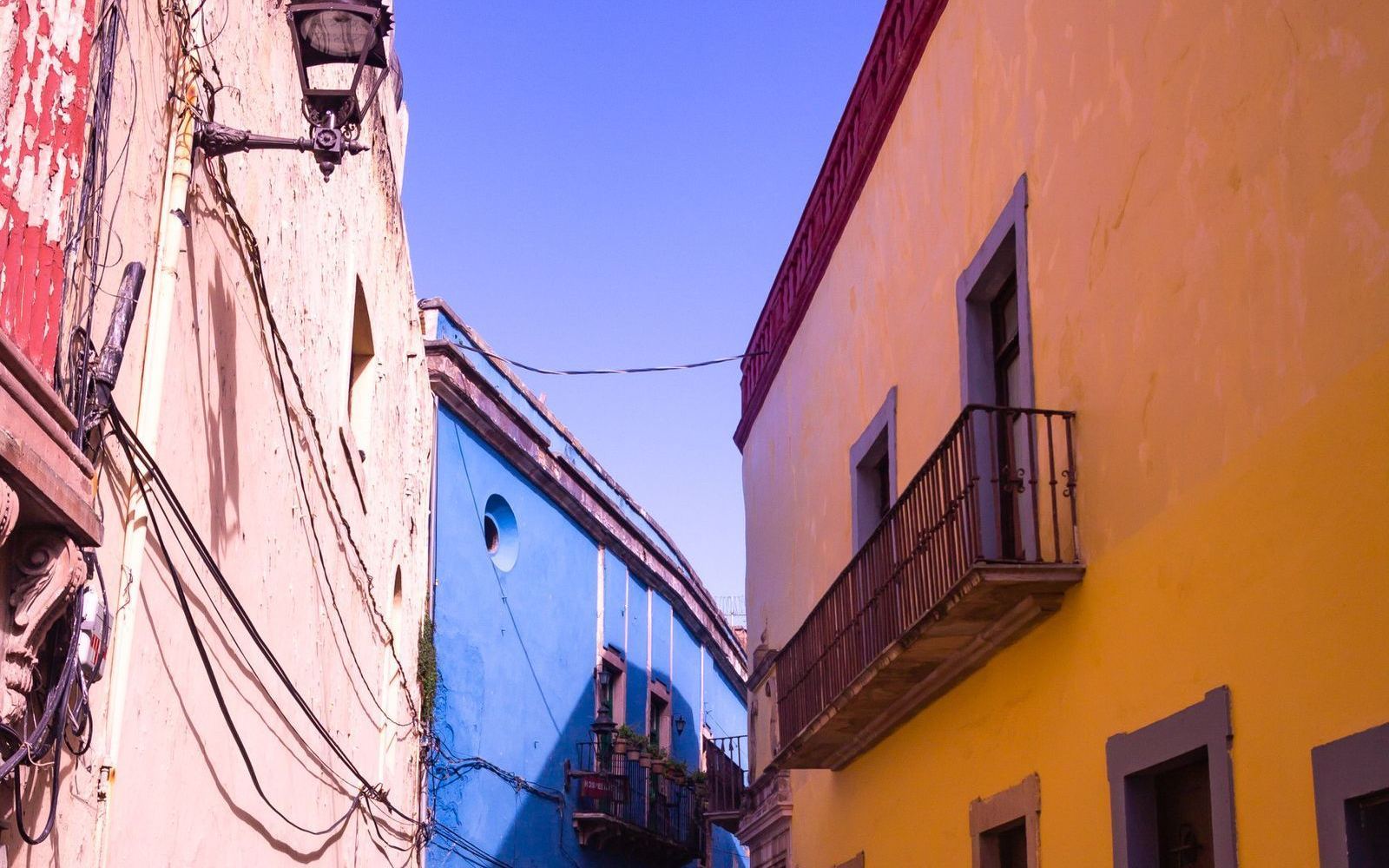
Most of the barrio was built between the 1860s and the 1920s, when this was the heart of Mexican-American Tucson. The classic form is the Sonoran row house: rooms arranged in a line along the street with zero setback, adobe walls 18 inches or more thick, a zaguan entry passage, and a walled courtyard or garden behind. The heart of the original barrio was demolished during 1970s urban renewal for the Community Center complex; what survived was listed on the National Register as part of the Barrio Libre Historic District in 1978, and it is now protected by a city historic preservation zone. Churches, corner stores, and murals keep the neighborhood's working history visible, and residents take the stewardship role seriously.
Housing stock and typical prices
The stock is small and heterogeneous: true adobe row houses, Territorial-style brick homes, a scattering of early-1900s bungalows on the edges, and a few modern infill townhomes built in compatible style. Recent reporting puts Barrio Viejo's median list price in the mid-$400,000s with median sales closer to $500,000, but with only a handful of sales a year, medians swing wildly — a meticulously restored adobe on a quiet block can list well above $700,000 while a structurally tired one trades far less. Per-square-foot prices rival the Foothills because the supply is fixed forever: no new adobe row houses are being built. Buyers should budget for adobe-specific maintenance — periodic re-plastering and strict attention to roof drainage and parapet caps — and get an inspection from someone who actually knows mud brick.
Who it suits
History devotees, artists and writers, downtown professionals, and second-home buyers who want the most distinctive address in Tucson. The Tucson Convention Center, the Music Hall, and downtown's restaurant scene are a short walk or streetcar ride north; the El Tiradito shrine and El Minuto Café are neighborhood institutions. It is a poor fit for anyone who wants a garage-forward suburban floor plan or a hands-off house.
Schools and commute
Barrio Viejo is in Tucson Unified. Nearby options include Carrillo K–5 Magnet and Drachman Montessori Magnet, both popular with central-city families; see our schools guide for the magnet lottery process. The commute picture is the best in the metro for downtown workers — offices, the county courthouse complex, and the University of Arizona (about 1.5 miles northeast) are all minutes away, and the free Sun Link streetcar runs along Cushing Street at the neighborhood's northern edge. I-10 access via Congress or 22nd Street makes the airport about a 15-minute drive.
Honest trade-offs
Historic-district rules govern exterior changes, additions, and even some colors — read the preservation-zone standards before dreaming about a remodel, and expect review timelines. Many homes are small by modern standards, lots are tiny, and off-street parking can be a genuine daily negotiation. Event traffic from the Convention Center periodically fills side streets. None of that deters the barrio's devotees, but it should be priced into the decision. Barrio Viejo sits in our Central Tucson territory; if you love the idea but need more house, neighboring Armory Park offers a similar era with larger lots. Start with the relocation guide for the full picture of moving to Tucson.
Living with adobe: the maintenance reality
Adobe is a wonderful wall material — thermal mass that shrugs off desert afternoons, near-silent interiors — but it is maintained, not owned passively. Walls need periodic re-plastering or lime-wash renewal; the critical discipline is water: roof scuppers, canales, and parapet caps must shed monsoon rain away from the wall tops, because adobe fails from the top down and the inside out. Stucco applied incorrectly decades ago can trap moisture, so experienced buyers ask when and how walls were last serviced and hire inspectors who specialize in historic adobe. Heating and cooling retrofits also take ingenuity — mini-split systems have become the default answer because they avoid cutting duct runs through historic fabric. None of this is exotic; Tucson has a deep bench of adobe masons and preservation contractors. It simply means the purchase price is the beginning of the budget, not the end, and the neighborhood association and the city's historic preservation office are genuinely useful first calls for any new owner.
Five Points and the streetcar edge
The neighborhood's social geography is shifting at its edges in a good way. The Five Points intersection at Stone and 18th has become a small dining and gallery node, and new townhome projects built in compatible Sonoran style have added younger households without breaking the street wall. The free Sun Link streetcar along Cushing connects the barrio to downtown, Fourth Avenue, and the UA in about fifteen minutes end to end, which is why some Barrio Viejo households genuinely live with one car. Tumamoc Hill's popular sunset hike is a ten-minute drive west, and the Santa Cruz River path system gives cyclists a paved route north through downtown to the Rillito.
Quick facts
Boundaries: south of downtown, roughly Cushing Street to 18th Street, Main Avenue to the freeway corridor. Era: 1860s–1920s Sonoran adobe and Territorial homes. Typical prices: ~$450K–$700K+, on very thin annual sales volume. School district: Tucson Unified with nearby magnet options. Best for: preservation-minded buyers, downtown professionals, second-home owners. Watch for: historic-review rules, small footprints, adobe maintenance, event parking. Buyers who fall for the barrio but can't find a listing — a common outcome, since only a handful of homes trade each year — usually widen the search to Barrio Santa Rosa and Menlo Park, which carry related history at lower intensity.